H&G Review: The Art of the Clash
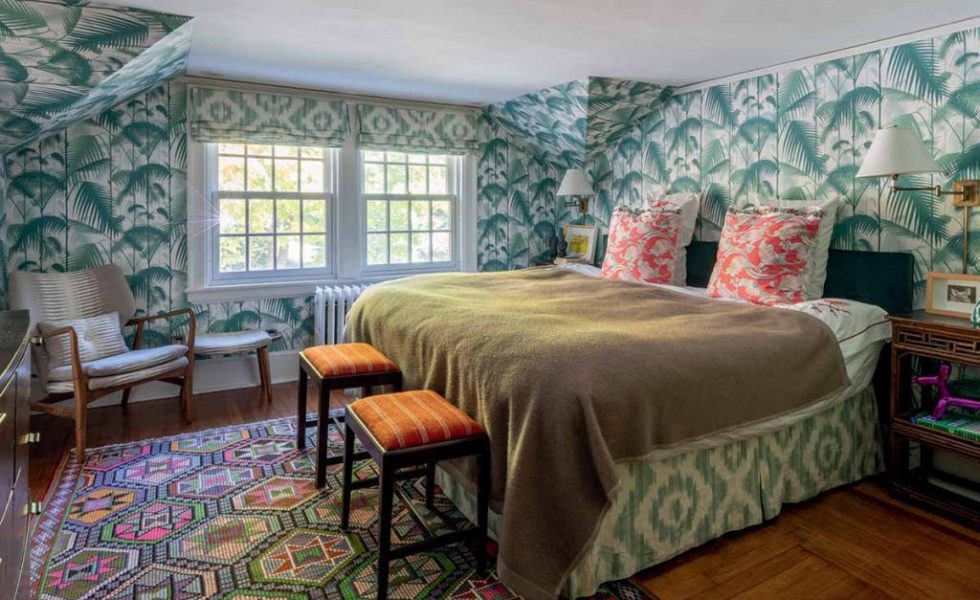
Creating complexity in your home that mimics real life
by Kate Jonuska
SOPHIE VON OERTZEN WILLIAMSON understands there is immense beauty in the mundane, meaning day-to-day life. In design, however, the mundane connotes bland spaces devoid of meaning, intention and personality, and, as a designer, Von Oertzen Williamson counters this mundanity by integrating eclectic and even opposing energies to create rich and fascinating spaces, which she aptly dubbed the art of the clash.
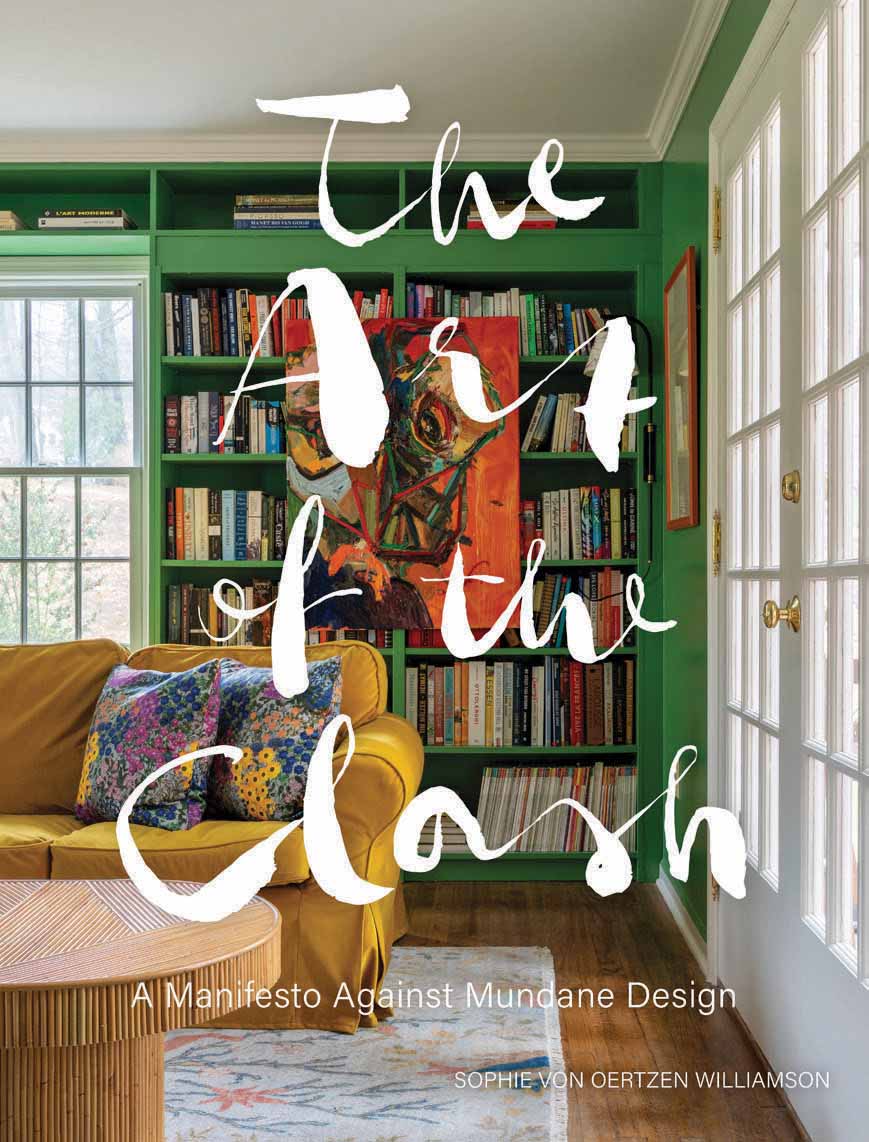
“Perhaps this is a little philosophical, but I believe the human experience is as beautiful as it is messy precisely because of its glorious imperfections,” she writes. “Life, in all its chaos, has a richness and complexity that makes it extraordinary. And so should your home.”
Indeed, “The Art of the Clash” is part philosophy, built on the idea that conflict (a.k.a. clashing) creates interest. Rather than matching harmonically, the many layers of a room—including color, pattern, scale, era—should therefore conflict intentionally, generating tension and texture we find innately alluring.
“I sometimes compare the tension I crave in design and interiors to a chocolate chip cookie,” explains Von Oertzen Williamson. “Once you’ve tried a chocolate chip cookie sprinkled with some salt flakes, you will always notice when the salt is missing. A cookie without salt is still good, but one with salt is mind-blowingly good, all because of the tension of sweet and savory.”
Truly, the color and pattern combinations Von Oertzen Williamson highlights in “The Art of the Clash” are bold, whimsical and personal, the exact opposite of common real estate advice to decorate generically for resale value. Having started her design career in linens and soft furnishings, the author’s talent with textiles is particularly stunning, whether in mixing bright prints, using tablecloths as curtains, or repurposing artisan rugs as headboards.
Born in Germany and having lived all over the world, some of Von Oertzen Williamson’s opinions are adorably European. For instance, she prefers kitchen tables to kitchen islands and has an aversion to overly open floor plans and gallery walls of only family photos. (Add some art, fabric or other elements to your gallery to make it clash!)
The author also generously shares her mother’s advice about homemaking, hostessing and life, including gems like “be your own best guest.” In other words, rather than perfection, the goal of the home and any get-together is to create “an environment where you, your family, and your friends feel at ease; where conversation flows; and where you, the host, are as much a part of the fun as your guests.”
Too often, she argues, our homes feel like impersonal showrooms, devoid of soul, where the formal furniture is stiff and so is the atmosphere. Her book is meant to be an inspiration as you take your own journey toward creating a home that feels distinct and distinctly yours.
This review originally published in the Su Libro section of Su Casa Magazine.

